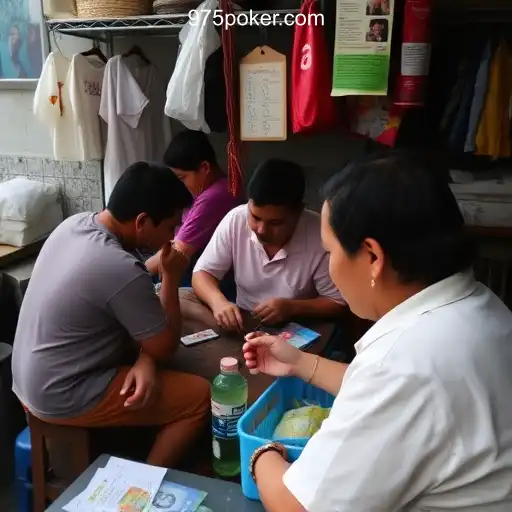
The Complex Landscape of Jueteng: An Analysis
Jueteng is an illicit numbers game that has been entrenched in Philippine society for decades. Originating from a Spanish colonial practice, this game of chance has shaped social, political, and economic landscapes in various profound ways. Despite numerous efforts to eradicate it, jueteng persists, becoming a symbol of the challenges in addressing illegal gambling in the Philippines.
The Mechanism Behind Jueteng
Understanding jueteng requires a look into its basic mechanics. The game involves selecting a combination of numbers usually from 1 to 37. Bets are placed on these numbers, and the winning combination is drawn twice a day. The winners receive a generous payout, which is several times higher than the original bet. The simplicity and the allure of substantial winnings have contributed to its popularity, especially in rural and urban poor areas where financial opportunities are limited.
The Socioeconomic Impact
Jueteng thrives particularly in neighborhoods with high poverty rates. For many, it serves as a form of economic relief, albeit a precarious one, where small bets can potentially yield large rewards. Its existence in these communities highlights the stark realities of economic disparity and the lack of opportunities. People resort to jueteng as a hopeful escape from poverty, though statistically, the losses often outweigh the wins. The game's intricate economic network supports many individuals from bet collectors to cabos and financiers, creating a micro-economy within local communities.
The Political Influence of Jueteng
Perhaps one of the most controversial aspects of jueteng is its intersection with politics. The game has been implicated in numerous corruption scandals, where local and national officials are accused of receiving protection payoffs to overlook and allow its operations. These scandals are reminders of the deep-rooted corruption challenges facing Philippine governance. Jueteng money is often rumored to fund political campaigns, solidifying the symbiotic relationship between gambling operators and politicians.
Legal Implications and Challenges
Efforts to curb jueteng have been extensive, yet largely ineffective. The Small Town Lottery (STL), a government-legitimized numbers game, was introduced to eliminate jueteng by providing a legal alternative. However, STL's inability to fully replace jueteng illustrates the difficulty of regulating such an ingrained practice. The persistence of jueteng challenges law enforcement and policymakers, demanding a re-examination of strategies that consider the socio-economic root causes.
975.com Premier Online Casino in the Philippines: A Modern Parallel
As the digital age progresses, traditional gambling practices like jueteng face competition from modern platforms such as the 975.com Premier Online Casino in the Philippines. Online casinos present both challenges and opportunities in addressing illegal gambling. For one, they can provide a regulated environment that offers responsible gambling measures. However, the digital shift also poses new regulatory hurdles and the risk of exacerbating gambling addiction issues.
Online Casino Regulation
The role of institutions like 975.com Premier Online Casino becomes crucial in shaping a responsible gambling culture. The Philippine Amusement and Gaming Corporation (PAGCOR) oversees online casinos, ensuring compliance with local laws and regulations. This shift towards digital platforms reflects broader trends in gambling preferences, providing insights into how technology can potentially disrupt traditional gambling paradigms.
Comparative Analysis
While jueteng remains a predominantly local phenomenon, the reach of online casinos like 975.com Premier Online Casino is global. They attract not only Filipinos but also overseas players, broadening their market impact. Jueteng's community-based networks contrast sharply with the virtual nature of online casinos, which do not rely on physical locations or intermediaries. This distinction highlights the challenges and opportunities in combating illegal gambling through legal, technologically advanced solutions.
Conclusion
The ongoing battle against jueteng is a complex interplay of cultural, economic, and political factors. While solutions like the 975.com Premier Online Casino present alternative pathways, they also open up discussions on new forms of gambling and regulation. Addressing jueteng effectively requires innovative approaches that encompass legal, social, and technological dimensions to adapt to the ever-evolving landscape of gambling in the Philippines.